
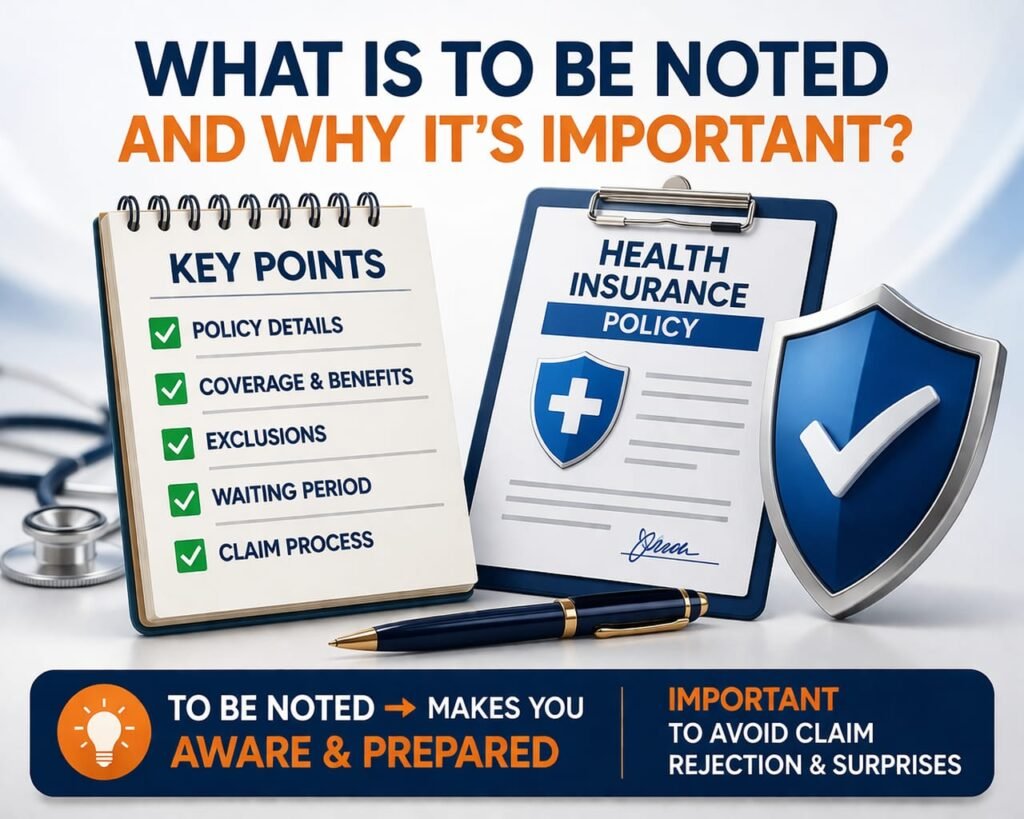
Renewing your health insurance is often one of those tasks that stays on the “to-do” list until the very last minute. However, waiting too long can put your financial security and your “waiting period” credits at serious risk.
In the Indian health insurance context, the Grace Period is a vital safety net, but it is not a substitute for timely renewal. Here is everything you need to know about the grace period, its conditions, and why early renewal is the ultimate pro-move.
What is the Grace Period?
The Grace Period is an additional window of time (usually 15 to 30 days) provided by the insurer after the policy expiry date. During this time, you can pay your renewal premium to keep your policy active without losing the continuity benefits you’ve earned over the years.
The Golden Rule: The grace period allows you to renew your policy, but it does not provide coverage for any medical emergencies that occur during those 15–30 days.
Key Conditions of the Grace Period
It is a common misconception that the grace period is an extension of your insurance cover. Here are the actual conditions:
- No Coverage for Claims:If you are hospitalized during the grace period (after the expiry but before payment), your insurer is not liable to pay the claim. Your cover effectively “pauses” until the payment is made.
- Continuity Benefits:The primary purpose of the grace period is to protect your Waiting Period credits (for Pre-Existing Diseases) and your No Claim Bonus (NCB). If you pay within this window, these benefits stay intact.
- Policy Lapse:If you fail to pay even within the grace period, the policy lapses. You will then have to buy a fresh policy, undergo new medical check-ups, and restart all waiting periods from day one.
Key Conditions of the Grace Period
It is a common misconception that the grace period is an extension of your insurance cover. Here are the actual conditions:
- No Coverage for Claims:If you are hospitalized during the grace period (after the expiry but before payment), your insurer is not liable to pay the claim. Your cover effectively “pauses” until the payment is made.
- Continuity Benefits:The primary purpose of the grace period is to protect your Waiting Period credits (for Pre-Existing Diseases) and your No Claim Bonus (NCB). If you pay within this window, these benefits stay intact.
- Policy Lapse:If you fail to pay even within the grace period, the policy lapses. You will then have to buy a fresh policy, undergo new medical check-ups, and restart all waiting periods from day one.
Why You Should Renew Before Time
While the grace period exists for emergencies, aiming to renew 7–10 days before the expiry is the best strategy. Here’s why:
- Avoid “Coverage Gaps”
Accidents and illnesses don’t wait for your premium payment. Renewing early ensures there is a seamless transition from the old policy year to the new one, with zero days of “unprotected” time.
- Safeguard Your Waiting Periods
For many policies, you have to wait 2 to 4 years for certain surgeries or pre-existing diseases to be covered. If your policy lapses because you missed the grace period, you lose those 4 years of “credit” and have to start the clock all over again.
- Protection for the “No Claim Bonus”
If you’ve stayed healthy, your insurer likely rewarded you with a No Claim Bonus (NCB), which increases your Sum Insured for free. A lapsed policy wipes this bonus out instantly, potentially costing you lakhs in “free” coverage.
- Technical Failures & Banking Delays
Online payment failures, server issues, or banking holidays can happen. If you try to renew on the very last day of your grace period and the transaction fails, you could lose your entire policy over a technical glitch.
Summary: Precautions to Take
- Set Reminders:Don’t rely on the insurer’s SMS. Set a calendar alert for 15 days before your policy expires.
- Check for Policy Changes:Use the renewal period to review if you need to increase your Sum Insured or add a “Super Top-up” plan.
- Verify the Receipt:Always ensure you receive the renewed policy document or a payment confirmation immediately. If the money is deducted but you don’t get a receipt, contact your TPA or insurer immediately.
Renewing your health insurance is not just a financial transaction; it’s a commitment to your family’s future health. Don’t let a small delay lead to a massive financial burden.
 Website:-https://herculesadvisors.in/
 Twitter:-https://x.com/NIKHILLJHA
 Instagram:-https://www.instagram.com/herculesadvisors/
 Youtube:-
 Email us on:-nikhiljha159@gmail.com